Same-Day Service Available!
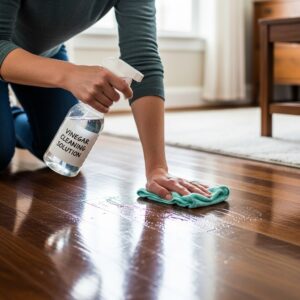
Is Vinegar Safe for Hardwood Floors? in Florence, South Carolina is one of the most common questions we hear, and it makes sense why. Vinegar is inexpensive, easy to find, and it has a reputation for being a “natural cleaner.” You will see recipes online that say to mix vinegar and water, grab a mop, and call it a day.
However, hardwood floors are not one-size-fits-all. The finish type matters. The age of the floor matters. The way the boards were sealed matters. Even the way the light hits your floor can make small changes look bigger, especially when the finish starts to dull.
That is where vinegar becomes complicated. In some situations, a very diluted mix might seem like it works at first. The floor looks cleaner because grime is lifted. The room smells “fresh.” Then, over time, we start hearing the same follow-up concerns: the shine looks uneven, traffic lanes look cloudy, or the floor feels like it attracts dirt faster. In worse cases, the finish looks worn down sooner than expected.
The real issue is not whether vinegar can remove dirt. The real issue is what repeated exposure can do to certain finishes and sealants, and how easy it is for a “safe” DIY mix to accidentally become too strong, too wet, or used too often.
Here in Florence, we clean hardwood floors in homes with kids, pets, and busy schedules. People want something that works and feels family-safe. At the same time, nobody wants to risk damaging their floor just to save a few minutes on cleaning day.
Our approach to hardwood floor cleaning is simple: controlled moisture, finish-friendly methods, and a plan that keeps the floor looking consistent. Hardwood does not like being over-wet. It also does not like harsh chemistry used repeatedly. That is why we focus on cleaning that lifts soil without stripping protection.
In this guide, we will break down what is true about vinegar, what is risky, and how to clean hardwood the right way without guesswork. We will also share a step-by-step process you can follow at home, and we will be clear about when it is smarter to stop DIY and schedule professional help.
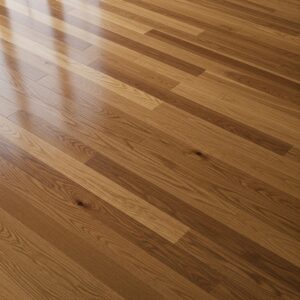
Before you decide whether vinegar is safe, identify what kind of floor you have:
This matters because vinegar advice is often written for “wood floors” in general, and that phrase gets used loosely. If you have laminate that looks like hardwood, vinegar can still create issues, especially if moisture seeps into seams. If you have real hardwood, the finish and sealants are the main concern.
When you are not sure what type of floor you have, the safest approach is to avoid acidic DIY mixtures and stick to a gentle, pH-neutral plan until you confirm the finish.
Vinegar is acetic acid diluted in water. That acidity is the reason vinegar can break down certain residues. It is also the reason vinegar can be risky for some hardwood floors over time.
Here is what we see in the real world:
The takeaway is simple: the chemistry that makes vinegar “effective” is also what can make it “too harsh” for some finishes when used often.
If you have been using vinegar and you are wondering whether it is safe, look for these signs:
These signs do not always mean vinegar is the only cause, but they often point to finish stress, residue issues, or overwetting. Vinegar mixes are commonly paired with too much water, which makes the moisture issue worse.
If you are seeing these problems, it is a good time to pause vinegar use and switch to a safer maintenance method.
One reason vinegar gets overused is because people want it to do two jobs:
For hardwood floors, these are different goals with different requirements. Hardwood does best with gentle cleaning and fast drying. Disinfecting usually requires products and dwell times that do not pair well with wood, especially if moisture is involved.
A practical home goal is this:
If you are mainly doing routine cleaning, vinegar is not necessary, and there are safer ways to keep hardwood looking good.
We are going to be honest here. Many homeowners will try vinegar anyway because it feels “natural.” If you are determined to test it, do it in the safest, most controlled way, and treat it like a limited experiment, not your forever routine.
A safer test approach:
If you notice any haze, loss of shine, or uneven look, stop using vinegar. That is your floor telling you it does not like the acidity, the moisture, or both.
Also, avoid a common mistake: using a wet mop. Even a diluted vinegar solution becomes risky if it is applied with too much liquid. Moisture is one of the biggest enemies of hardwood over time.
When people warn against vinegar, it is usually because of one of these real-world issues:
Acid exposure over time
Even diluted vinegar is acidic. Many modern floor finishes are designed to resist everyday wear, but repeated acidic exposure can contribute to dullness or softening in certain finishes. It may not happen in one mop session, which is why vinegar seems “fine” at first. Over months, the finish can lose clarity, especially in traffic lanes.
Overwetting is the bigger danger
Most vinegar cleaning instructions involve a mop and a bucket. Mops hold a lot of liquid, and hardwood does not want liquid sitting on the surface or pushing into seams. Vinegar gets blamed, but the real damage often comes from moisture working into edges and micro gaps.
Streaks and haze from residue interactions
Hardwood floors often have a thin film of previous products, especially if polishes, soaps, or “shine” sprays were used in the past. Vinegar can react with that buildup, partially breaking it down and creating streaky haze. That haze makes people mop more, and the cycle continues.
Finish incompatibility
Some floors are coated with finishes that do not respond well to acidic cleaners. You do not always know what you have unless the floor was installed recently and you have documentation.
If you take one lesson from this section, let it be this: vinegar risk is usually a combination of acid plus water plus repeated use.
If your goal is a clean, good-looking floor, a pH-neutral approach is the safer default. You do not need fancy equipment. You need consistency and controlled moisture.
A simple routine we recommend:
Why the dry step matters
Grit is what scratches finishes over time. If you mop without removing grit first, you can grind tiny particles into the finish. That dullness looks like “dirty floors” even when they are clean.
Why microfiber matters
Microfiber gives better control than a wet mop. It lets you clean with minimal moisture and reduces the chance of moisture pushing into seams.
If you want the most reliable results without guessing about products, professional hardwood floor cleaning is often the easiest reset, especially when haze or streaks are already present. Our local hardwood floor cleaning service details are here: https://safedryflorence.com/services/hardwood-floor-cleaning/.
If vinegar has been your go-to cleaner, do not panic. Most floors do not instantly get ruined. However, it is smart to shift your routine and give the finish a break.
A recovery plan:
When to consider professional help
If you see widespread haze, sticky feel, or uneven shine that does not improve with gentle cleaning, it often means there is product film, embedded grime, or finish stress that needs a more specialized approach. That is a good time to schedule, because repeated DIY experiments tend to create uneven results. If you want to book a visit in Florence, the fastest option is online scheduling.
Even if someone says they have used vinegar for years with no issue, there are situations where we recommend skipping it completely:
In these situations, vinegar is not the main problem. The risk is that vinegar makes it more likely you will use a mop-and-bucket approach, and moisture plus repeated chemistry is what hardwood dislikes most. If your floor is already showing signs of stress, the safest choice is to shift to controlled moisture cleaning and avoid anything acidic.
If you want the honest line in the sand, it is this: when your floor looks worse after cleaning, it is time to stop experimenting.
Here are signs you should schedule:
A professional hardwood floor cleaning visit helps because it resets the surface using a method designed for wood, not for tile or vinyl. It also helps you understand what is truly happening: is it product buildup, embedded grime, or finish wear that needs refinishing?
Now that we have covered the 10-step decision process, let’s talk about why hardwood floor cleaning matters, especially in Florence homes with busy traffic, pets, and seasonal humidity.
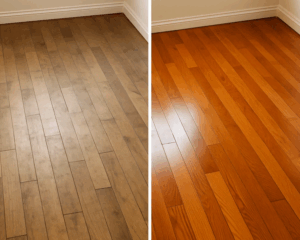
One of the biggest benefits of hardwood floor cleaning is clarity. Hardwood often looks “dirty” when it is not actually dirty. What you are seeing may be:
A proper hardwood floor cleaning plan removes the soil and buildup that distort the finish. As a result, the floor can look brighter and more even without aggressive chemistry like vinegar mixes or strong degreasers. For many homeowners, that alone is worth it because it reduces the urge to over-clean.
Hardwood floors are often chosen because they are easier to maintain and do not hold onto debris the way carpet can. Still, dust and grit collect on any surface. Regular hardwood floor cleaning helps remove what builds up from daily living:
The benefit is a home that feels fresher and more comfortable. The goal is not “sterile.” The goal is a clean, pleasant space that is easier to keep up with week to week.
Hardwood is a long-term investment, but the finish is the protective layer that takes the beating. When grit is left on the floor, it acts like sandpaper under shoes. Over time, micro-scratches scatter light and create dull-looking lanes.
A consistent hardwood floor cleaning routine helps:
This is also where vinegar becomes a bigger concern. If vinegar contributes to finish dullness over time, the floor may require refinishing sooner. It is not always dramatic damage. It is often gradual loss of clarity.
Many Florence homeowners notice haze after mopping, especially when humidity is higher or when sunlight hits the floor in the afternoon. Haze can come from product film, from overwetting, or from residue that is not being removed properly.
Hardwood floor cleaning helps break that cycle by:
When the floor looks consistent, it is easier to maintain, and you are less likely to reach for harsh DIY options.
When hardwood floors are properly maintained, they feel better underfoot. Sticky patches disappear. Dust and grit feel reduced. The floor looks cleaner with less effort.
This matters in real life because maintenance needs to be sustainable. If the only way your floor looks good is a time-consuming mop routine, it will not last. A better plan is one that works with your schedule:
Hardwood floors are often part of a larger “whole home” cleaning plan. In Florence homes, it is common to schedule hardwood floor cleaning alongside other deep cleaning services when people are preparing for guests, moving, or doing a seasonal reset. Depending on your home, you might pair hardwood cleaning with:
We keep the plan practical. The goal is a home that feels consistently clean across surfaces rather than having one area refreshed while another still feels dingy.
If you have been using vinegar and your floor is now hazy, streaky, or uneven, it is usually faster to schedule professional hardwood floor cleaning than to keep experimenting with new DIY mixes. You can book a visit anytime. We can help restore clarity and give you a safer maintenance plan going forward.
If you want hardwood that stays consistent, the best habit is not more mopping. It is dry soil removal. Most of the dullness we see on hardwood floors in Florence comes from grit, not from “not enough cleaner.” Tiny particles get tracked in from outside, then they get ground into the finish with every step. Over time, the finish still exists, but it starts scattering light. That is why floors look cloudy or flat in traffic lanes.
A dry-first routine looks like this:
This routine prevents the cycle where you keep reaching for stronger cleaners like vinegar because the floor “looks dirty.” The truth is often that the floor is scratched and coated with fine soil, not that it needs more chemical power.
If you only change one thing, change this: clean the grit first, then decide whether you need any moisture at all.
Vinegar becomes risky because it tempts people into a bucket-and-mop routine. Even if the vinegar is diluted, the mop still spreads a lot of moisture. Hardwood does not want puddles, and it does not want a wet sheen that sits on the surface while you move to the next room.
A safer approach is controlled application:
This is where many DIY routines fail. People think “natural” means “safe,” but moisture is still moisture. Too much water can cause:
The goal is not to “wash” hardwood like tile. The goal is to lift soil while keeping the floor as dry as possible.
Another reason vinegar seems appealing is that it can cut through residue from old cleaners. However, using vinegar repeatedly is not the safest way to handle product film. If you have ever used a polish, a shine spray, a soap-based cleaner, or multiple brands over time, your floor may have a mixed layer of film that attracts dirt and causes streaking.
How to avoid buildup:
If your floor looks streaky the day after you clean, that usually means residue remains. The answer is not stronger vinegar. The answer is controlled cleaning that removes film without over-wetting.
If you suspect product buildup is already heavy, professional hardwood floor cleaning can reset the surface faster than repeated DIY attempts.
Florence homes can feel humid at different times of year. Humidity changes how floors behave and how moisture dries. When indoor humidity is high, water evaporates slower. That increases the chance of haze and streaking after any damp cleaning.
Practical ways to reduce moisture-related issues:
This is also why vinegar routines can backfire. Vinegar is usually used with water, and water dries slower in humid conditions. The slower it dries, the higher the chance you will see lines, haze, or dull patches.
The best routine is one you can keep. Most homeowners do not want a complicated plan. They want hardwood that stays presentable with reasonable effort.
A realistic schedule:
If you have been using vinegar and you want to get back to a safer routine, professional cleaning is often the cleanest starting point. Book now.
Now we will explain what makes our approach different and why low-moisture hardwood floor cleaning matters when homeowners are trying to avoid vinegar damage and avoid moisture problems.
Hardwood floors are not meant to be cleaned like tile. When a routine relies on lots of liquid, the risk goes up. Our approach is built around controlled moisture and careful technique, because that helps protect seams, edges, and finish clarity.
That low-moisture mindset supports quick-drying results. Quick drying is not just about convenience. It helps prevent haze, helps prevent streaks, and helps keep the floor looking consistent.
When a floor looks dull, homeowners often assume it needs stronger cleaners like vinegar. In reality, dullness usually comes from:
We focus on removing soil and film safely, without layering more products on top. That helps the floor look clearer and more even, especially in the areas you see every day.
Then we give a practical maintenance plan that fits your home. The goal is not perfection. The goal is consistency and protection.
Safe-Dry has more than 30 years of experience as a company, and we bring that mindset into our local Florence service: be careful with surfaces, use methods that make sense for families, and make it easy for homeowners to maintain the results.
We also stand behind what we do with a satisfaction guarantee. If something does not look right after service, we want to make it right. That level of accountability is important when you are trusting someone with an investment surface like hardwood.
If you are ready to stop experimenting and want hardwood floors that look clear without relying on vinegar, scheduling is simple. You can book online now.
Next, we will answer the most common questions we hear from Florence homeowners about vinegar, safe cleaning routines, drying time, and when professional help is the smarter option.
Is Vinegar Safe for Hardwood Floors? in Florence, South Carolina depends on your finish type, your cleaning frequency, and how much moisture you use. A heavily diluted vinegar mix may seem harmless in the short term, especially if the floor looks cleaner right away. However, vinegar is still acidic, and repeated use can contribute to dullness or uneven sheen on some finishes over time. In addition, vinegar routines are usually paired with a mop-and-bucket method, and that increases the bigger risk for hardwood: too much water. Even if vinegar itself does not instantly damage your floor, moisture that sits on the surface or seeps into seams can cause haze, streaking, and long-term edge issues. If you want a safer routine, a pH-neutral hardwood cleaner used with a barely damp microfiber cloth is a more reliable choice. If your floors are already hazy or dull, professional hardwood floor cleaning can often reset the look without relying on acidic DIY mixes.
The biggest risk is not only the vinegar. It is the combination of acid and moisture used repeatedly. Hardwood floors depend on a protective finish, and that finish can become less clear over time when exposed to harsh routines. Vinegar is acidic, which can stress certain finishes, especially with frequent cleaning. Meanwhile, too much water is what can cause more immediate issues such as streaks, haze, and moisture traveling into seams. Many homeowners in Florence tell us they started with vinegar because it felt natural, then they began mopping more often because the floors looked dull. That cycle can lead to more buildup, more streaking, and more frustration. A safer approach is dry soil removal first, minimal moisture when needed, and a consistent, finish-friendly cleaner. When your floor already looks uneven, professional hardwood floor cleaning is often the faster path to clarity and a better long-term routine.
Cloudiness and streaks usually happen for one of three reasons. First, the mop is too wet, and moisture dries unevenly, leaving lines. Second, vinegar interacts with existing product film from past cleaners, polishes, or “shine” sprays, breaking it down unevenly and leaving haze behind. Third, the finish is already worn in traffic lanes, and any liquid cleaning highlights those worn areas because light reflects differently. In Florence homes, we often see haze most clearly near entrances and kitchens, where grit and moisture are common. The solution is not stronger vinegar. The solution is controlled moisture, removing residue instead of layering it, and switching to a safer maintenance plan. If haze keeps returning no matter what you try, scheduling professional hardwood floor cleaning can help remove film and grime more thoroughly and restore a more even look.
For routine hardwood floor cleaning, the safest default is a pH-neutral hardwood cleaner used sparingly with a microfiber cloth or microfiber pad. Pair that with dry soil removal as your main habit. Vacuuming or dry dust mopping several times per week reduces grit that scratches finishes and makes floors look dull. For sticky spots, spot clean with a barely damp microfiber cloth and dry immediately. Avoid soaking the floor, and avoid mixing multiple cleaners because product interactions can cause streaking and haze. If your home has pets or heavy traffic, keep entryway mats clean and remove shoes indoors when possible, because grit is what damages finishes slowly over time. If you are unsure about your finish type or you have already been using vinegar for a long time, professional hardwood floor cleaning can help reset the surface so your routine works better and you do not feel like you need harsh DIY solutions.
Most homes do well with professional hardwood floor cleaning every 6 to 12 months, depending on foot traffic, pets, kids, and how often the floor is exposed to entryway moisture. If your floor stays relatively protected and you follow a dry-first routine, you may be able to stretch that timeline. If your home has heavy traffic lanes, frequent spills, or consistent haze that returns after mopping, a more regular schedule can keep the floor looking consistent. The best sign is not the calendar. The best sign is how the floor responds to your routine. If you are cleaning more often but the floor never looks clear, or if vinegar or other DIY routines have created streaking, a professional cleaning can be a smart reset. After that reset, maintenance becomes easier because you are not fighting buildup or uneven film.
In some cases, repeated vinegar use can contribute to finish dullness or uneven sheen, and that can feel permanent if the finish has been stressed over time. However, not every dull floor needs refinishing. Sometimes the dullness is mostly film, residue, or embedded grime that can be improved with proper cleaning and a switch to safer maintenance. Refinishing becomes more likely when you see deep wear patterns, raw wood exposure, or widespread finish breakdown that cleaning cannot improve. The right next step is to stop vinegar use, shift to controlled moisture cleaning, and see whether the floor’s clarity improves over a few weeks. If the haze and streaking remain, professional hardwood floor cleaning can help determine whether the issue is buildup that can be removed or finish wear that needs a refinishing plan. The goal is always to protect what you have before jumping to the most expensive option.
Dry time depends on airflow, indoor humidity, and the cleaning method used. With a controlled, low-moisture approach, floors dry significantly faster than they would after a traditional wet mopping routine. Faster drying matters because it helps prevent haze lines, reduces the chance of moisture pushing into seams, and keeps the finish looking even. In Florence, humidity can slow down drying, which is another reason we recommend avoiding vinegar mop routines that leave a wet sheen on the floor. After a professional cleaning, good airflow helps: run your HVAC normally, use a ceiling fan if available, and avoid placing rugs back down until the floor is fully dry. The goal is for the surface to be dry to the touch and visually consistent before normal traffic returns.
If you have been using vinegar and you are now seeing haze, streaks, or dull traffic lanes, scheduling hardwood floor cleaning is a simple way to reset the surface and get a safer routine. Start by looking at what hardwood floor cleaning includes so you understand the approach. When you are ready, you can book online now. Before the appointment, it helps to note where the floor looks most uneven and whether the dullness is worst in traffic areas, near doors, or near kitchens. That information helps us focus on the areas where vinegar routines and moisture exposure tend to show up most. After service, we can also share a practical maintenance plan so you can keep the floor looking clear without relying on vinegar going forward.
Is Vinegar Safe for Hardwood Floors? in Florence, South Carolina is a fair question, because vinegar feels like an easy, affordable solution. The problem is that hardwood floors are not forgiving when cleaning routines become too wet or too harsh over time. Vinegar is acidic, and even when it is diluted, repeated use can contribute to dullness on some finishes. In addition, the most common vinegar routine uses a mop and bucket, which increases moisture exposure, and moisture is one of the biggest risks for long-term hardwood appearance.
A safer plan is simple. Remove grit first with vacuuming or microfiber dust mopping. Use minimal moisture when needed with a finish-friendly cleaner. Dry as you go. Avoid layering products that leave film. When haze, streaking, or dull lanes keep returning, stop experimenting and let a professional reset the surface.
Safe-Dry Carpet Cleaning of Florence, South Carolina is here to help you get back to clean, consistent hardwood without the stress of DIY trial and error. If your floors look cloudy after vinegar, if traffic lanes never match the rest of the room, or if you want a maintenance routine that protects your finish, schedule your hardwood floor cleaning online.
We are ready when you are, and we will help you protect your hardwood with a cleaner, safer routine that actually holds up in real life.