Same-Day Service Available!

A home filled with young children is a place where memories are made every day. From afternoon cartoons and bedtime stories to snack breaks and imaginative play, the living room often becomes the center of family activity. Unfortunately, all that excitement can leave upholstered furniture covered in crumbs, sticky fingerprints, food stains, and unexpected spills. Keeping couches and chairs clean may seem like a never-ending responsibility, but the right upholstery cleaning routine can make everyday maintenance much easier.
Upholstered furniture experiences more wear in homes with young children because it is used for so many different activities. A couch might serve as a reading corner in the morning, a play area in the afternoon, and a comfortable gathering place in the evening. Over time, fabric cushions can collect dirt, dust, food particles, body oils, and moisture that regular surface cleaning may not completely address.
The challenge is that upholstery requires more careful treatment than many other household surfaces. Unlike kitchen countertops or hardwood tables, fabric furniture can absorb spills and trap residue beneath the surface. A small juice spill might leave a visible stain, while a forgotten milk spill can eventually produce an unpleasant smell. Without proper attention, these everyday accidents may affect the appearance, comfort, and condition of your furniture.
Fortunately, maintaining cleaner furniture does not mean preventing children from enjoying their favorite spaces. Simple habits, gentle cleaning methods, and professional upholstery cleaning when needed can help families keep their furniture looking and feeling fresher.
For homeowners in Florence, SC, 29501, finding practical ways to maintain a comfortable living environment is especially helpful when balancing work, school, childcare, and household responsibilities. At Safe-Dry®, we understand that furniture is meant to be enjoyed, not constantly protected from every little mess. Our professional upholstery cleaning services are designed to help families address everyday buildup while caring for the furniture they use most.
This guide explains why upholstered furniture gets dirty, how to handle common childhood spills, and what families can do to prevent stubborn stains and odors. We will also discuss safe cleaning practices, everyday maintenance, and when professional furniture cleaning may be the right solution.
Young children bring energy, creativity, and plenty of unexpected messes into a home. While these activities are a natural part of childhood, they also create additional challenges for upholstered furniture. Sofas, chairs, and cushions are frequently exposed to food, drinks, outdoor dirt, and everyday contact with hands and clothing.
One of the most common causes of dirty upholstery is snack time. Even when children are encouraged to eat at the dining table, crackers, cookies, cereal, and other snacks often make their way into the living room. Small crumbs can settle between cushions and become trapped along seams. Over time, these particles collect with dust and other debris, making furniture harder to maintain with occasional surface cleaning.
Drinks create another challenge. Young children may accidentally knock over juice cups, spill milk, or leave damp bottles on upholstered surfaces. Depending on the fabric, liquid can quickly penetrate the fibers and reach the cushion padding. Although the visible spill may disappear after blotting, residue sometimes remains inside the material.
Outdoor play also contributes to furniture buildup. Children frequently move between the backyard, play areas, and living room without noticing the dirt on their clothing. Grass particles, soil, pollen, and dust can transfer onto cushions and armrests. As these materials accumulate, heavily used furniture may gradually lose its clean appearance.
In addition, natural body oils can affect upholstery over time. Areas where children frequently rest their heads, lean against cushions, or place their hands may develop darker patches. These changes often happen slowly, making them difficult to notice until the fabric looks noticeably different from less frequently used sections.
Regular upholstery cleaning helps manage these common problems before they become more difficult to address. Rather than focusing on keeping furniture spotless every moment, parents can establish simple routines that reduce buildup and make cleaning more manageable.
Before reaching for a cleaning product, it is important to understand the material covering your furniture. Different upholstery fabrics respond differently to moisture, cleaning solutions, and physical agitation. A method that works well on one couch could cause discoloration or damage on another.
Many upholstered furniture pieces include a manufacturer's cleaning label beneath the cushions or along the underside of the frame. These labels often contain codes that indicate which cleaning methods may be suitable. Furniture marked with a W generally permits appropriate water-based cleaning products, while an S indicates that solvent-based cleaning is recommended. A W/S or S/W code usually means either method may be suitable, depending on the product and fabric. Furniture marked X should generally be maintained through vacuuming or gentle brushing without applying liquid cleaners.
Even when a label permits water-based cleaning, it is still important to use caution. Some fabrics contain dyes or backing materials that may react poorly to certain solutions. Testing a cleaning product on a hidden section before treating a visible stain can help identify potential problems.
Microfiber, for example, is popular in family homes because many varieties are durable and comfortable. However, different microfiber materials have different cleaning requirements. Some can tolerate approved water-based products, while others may develop water marks when exposed to moisture.
Cotton and linen blends may absorb liquid quickly, making careful moisture control important. Velvet and delicate woven materials can require specialized methods to protect their texture. Leather furniture also needs a separate approach, since standard fabric cleaning solutions may damage its finish.
Understanding these differences is an important part of responsible upholstery cleaning. When the fabric type is uncertain or the furniture has sentimental or financial value, professional assessment can help homeowners avoid unnecessary damage.
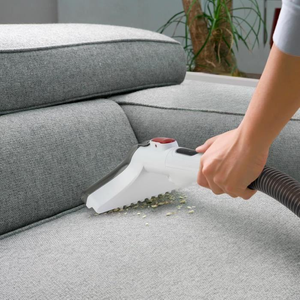
The easiest way to maintain upholstered furniture is to develop a routine that fits naturally into your household schedule. Parents do not need to perform a complete deep cleaning every week. Instead, small maintenance habits can help prevent crumbs, dust, and residue from building up over time.
Begin by removing blankets, toys, pillows, and other items from the couch or chair. This makes it easier to inspect the surface and reach areas where debris tends to collect. Once the furniture is clear, use a vacuum cleaner with an upholstery attachment to remove loose crumbs, dust, and pet hair.
Move the attachment slowly across the seating surfaces and pay attention to corners, seams, and spaces between cushions. These areas often collect the most debris because small particles naturally settle into narrow openings. If the cushions are removable, lift them carefully and vacuum underneath. You may find forgotten snack pieces, small toys, or other items that have accumulated during everyday activities.
After vacuuming, inspect the furniture for visible marks or sticky areas. Pay particular attention to armrests, cushion edges, and frequently used seating spots. These areas experience regular contact with hands, clothing, and food, making them more likely to develop gradual discoloration.
If you discover a stain, avoid immediately applying a random household cleaner. Identify the likely cause and review the furniture's care instructions first. Different stains require different treatment methods, and using the wrong solution can make the problem worse.
For furniture that permits spot cleaning, use an appropriate product according to its label instructions. Apply only the recommended amount and avoid soaking the material. Once cleaning is complete, improve ventilation and allow the upholstery to dry fully before returning it to normal use.
This simple routine can become part of regular weekend cleaning. Consistency is more valuable than occasional aggressive scrubbing, especially when children use the same furniture every day.
Spills are nearly impossible to prevent completely in homes with young children. A cup may tip over during a movie, a snack bowl may fall between the cushions, or sticky fingers may leave marks on an armrest. While these accidents are frustrating, responding quickly can make a meaningful difference.
When a liquid spill occurs, begin by gently blotting the affected area with a clean, white, absorbent cloth. Avoid rubbing the fabric because this can spread the liquid and push it deeper into the fibers. Instead, apply gentle pressure to absorb as much moisture as possible.
Work from the outer edges of the spill toward the center. This approach helps limit how far the liquid spreads across the furniture. As the cloth becomes damp, switch to a clean section to prevent transferring residue back onto the fabric.
Once the excess liquid has been removed, check the manufacturer's cleaning instructions. If the fabric allows water-based treatment, an approved upholstery cleaner may help address the remaining stain. Always test the product on an inconspicuous area first and follow the recommended application method.
One of the biggest mistakes homeowners make is using too much water. Upholstered furniture often contains layers of foam, padding, and other materials beneath the visible fabric. When these layers become saturated, they may take much longer to dry. Excess moisture can also contribute to water marks or lingering odors.
For this reason, careful moisture control should be part of every upholstery cleaning routine. If the spill is large, has penetrated the cushion, or involves a substance that may leave a persistent odor, professional cleaning may be appropriate.
Quick action does not guarantee that every stain will disappear, but it can reduce the amount of residue absorbed into the furniture and improve the chances of successful treatment.
Food-related stains are among the most common upholstery problems in homes with young children. The challenge is that different foods contain different ingredients, including sugars, fats, proteins, and pigments. These substances interact with fabric in different ways, so a single cleaning method may not work for every spill.
Juice spills often require immediate attention because many fruit drinks contain natural or added pigments. When juice lands on a couch, gently blot the liquid before it spreads. If the upholstery permits water-based cleaning, an approved product may help remove remaining residue. Avoid excessive rubbing, especially on lighter fabrics where spreading the color can make the stain more noticeable.
Milk spills require particular care because they contain proteins and fats. If milk reaches the cushion padding, it may leave an unpleasant sour smell even after the visible moisture disappears. Begin by absorbing the liquid and following the furniture's care instructions. Avoid using hot water, which can make certain protein-based stains more difficult to treat. If an odor develops after the surface has dried, additional cleaning may be needed.
Chocolate stains create a different challenge because chocolate contains both fat and pigment. Start by carefully removing any solid material with a dull spoon without pressing it into the upholstery. Afterward, use the cleaning method approved for the fabric. Aggressive scraping should be avoided because it can damage the texture of delicate upholstery.
Sticky foods such as syrup, candy, and jelly can also leave residue that attracts dirt. Even when the visible stain is small, remaining sugar can make the affected area feel tacky. Careful treatment with a compatible cleaner may help, but repeated applications of unsuitable products can make the problem worse.
The most important lesson is to match the cleaning method to the stain and fabric. Professional upholstery cleaning can help when ordinary spot cleaning is unsuccessful or when a stain has remained untreated for an extended period.
When parents discover a stubborn stain, the natural reaction is often to scrub until it disappears. Unfortunately, aggressive scrubbing is one of the most common mistakes in upholstery care.
Upholstery fibers can become damaged when exposed to repeated friction. Depending on the material, vigorous scrubbing may create fuzzy patches, rough textures, or areas where the fabric looks worn. Some delicate materials can also develop permanent changes in appearance when the surface is rubbed too forcefully.
Scrubbing may also spread a stain. Instead of removing the substance, the movement can distribute it across a larger section of fabric. This is especially problematic with colorful drinks, marker ink, and greasy food residue.
Another concern is that applying too much pressure can push liquid deeper into the cushion. Once a spill reaches the underlying padding, surface cleaning may no longer be enough to resolve the problem.
A better approach is to blot fresh spills gently, remove solid residue carefully, and use a cleaning method appropriate for the upholstery material. When the stain does not respond to reasonable treatment, continuing to scrub may cause more harm than good.
A professional stain removal service can help evaluate stubborn spots and determine whether additional treatment is likely to improve the appearance of the fabric. While complete stain removal cannot always be guaranteed, proper methods can help reduce the risk of unnecessary damage.
Creative activities are an important part of childhood, but they occasionally leave unexpected marks on furniture. Crayons, washable markers, paint, and other art supplies can end up on couches and upholstered chairs when children move their projects away from designated activity areas.
These stains require extra attention because different art materials contain different ingredients. Crayons generally contain wax and pigments, while markers may use water-based or solvent-based inks. Paint formulas also vary considerably.
When a crayon mark appears, avoid scraping aggressively or applying heat. Heat can soften the wax and potentially cause it to spread further into the fabric. Instead, carefully remove any loose residue and assess the upholstery material before choosing a cleaning method.
Marker stains can be even more challenging. Some washable markers respond to approved cleaning products, while permanent inks may be difficult or impossible to remove completely. Applying alcohol, bleach, or other strong chemicals without checking compatibility can damage fabric dyes or finishes.
For parents, prevention is often easier than treatment. Encourage children to use art supplies at a table covered with a washable mat. Keep markers and paints away from upholstered seating, particularly when children are too young to use them independently.
If an accident still happens, avoid experimenting with multiple cleaning mixtures. A professional upholstery cleaning technician may be able to recommend an appropriate approach after assessing the material and type of stain.
Furniture can develop unpleasant odors even when it does not appear visibly dirty. This is because upholstery fibers and cushion padding can absorb substances from everyday use. Spilled milk, food residue, damp clothing, body oils, and pet accidents may all contribute to lingering smells.
In family homes, odors sometimes develop gradually. A small spill may go unnoticed beneath a cushion, or moisture may remain trapped inside the padding. Over time, parents may begin noticing a sour or musty smell without immediately identifying its source.
One common response is to spray the furniture with a heavily scented air freshener. Although this may temporarily cover the smell, fragrance does not necessarily remove the material causing the odor. Some products may also leave additional residue or create discomfort for people who are sensitive to strong scents.
Instead, begin by inspecting the furniture carefully. Remove cushions when possible and check the seams, underside, and surrounding areas for food residue or signs of moisture. Vacuum loose debris and identify any visible stains that may require treatment.
If the material permits spot cleaning, use an approved product and follow the recommended drying instructions. Avoid pouring deodorizing solutions directly into cushions because additional moisture may worsen the problem.
When an odor continues returning, the source may be deeper inside the upholstery. Professional upholstery cleaning may help with certain types of embedded residue, although heavily contaminated padding sometimes requires additional treatment or replacement.
For households with young children, effective odor elimination should focus on addressing the source rather than simply adding a stronger fragrance.
Upholstered furniture does more than provide a comfortable place to sit. It can also collect dust, pollen, pet dander, skin flakes, and other household particles through regular use.
These particles often settle into fabric surfaces and cushion seams. Although some buildup is visible, finer debris may remain unnoticed until the furniture is vacuumed or cleaned.
For families with young children, managing this accumulation is a useful part of maintaining a clean home. Children frequently rest against cushions, play on furniture, and spend time in shared living spaces, making regular furniture maintenance especially practical.
The U.S. Environmental Protection Agency recommends routine vacuuming of carpets and fabric-covered furniture as part of reducing indoor biological contaminants. The agency also emphasizes moisture control and careful use of household cleaning products.
A vacuum cleaner with effective filtration can be useful for removing loose particles from upholstered surfaces. When cleaning, pay attention to commonly overlooked areas such as cushion seams, furniture backs, and spaces underneath removable cushions.
However, vacuuming cannot address every type of buildup. Sticky residue, body oils, and certain stains may require additional cleaning methods.
Professional upholstery cleaning can complement routine maintenance by addressing appropriate types of embedded soil and residue. It should not, however, be viewed as a guarantee that all allergens will be eliminated or that medical symptoms will improve.
By combining regular vacuuming, prompt spill response, proper ventilation, and occasional professional care, families can maintain cleaner household surfaces without creating an overly complicated routine.
When selecting upholstery cleaning products, parents often look for solutions that are gentle enough for frequent household use. However, a product advertised as natural, green, or family-friendly is not automatically suitable for every fabric or situation.
The first consideration should always be compatibility with the upholstery material. A cleaner that works well on one sofa may cause water marks, discoloration, or residue buildup on another. Reading the furniture manufacturer's instructions is just as important as reviewing the product label.
Families should also pay attention to ingredients, fragrance levels, application instructions, and any recommended precautions. Strongly scented products are not necessarily more effective, and excessive fragrance can be uncomfortable for sensitive household members.
The American Academy of Pediatrics' HealthyChildren.org guidance on choosing cleaning products encourages families to follow product safety directions, maintain ventilation during cleaning, and keep cleaning supplies stored safely away from children.
Never mix household cleaning chemicals in an attempt to improve results. Certain combinations can release dangerous fumes or create other hazards. Cleaning products should also remain in their original containers so instructions and warnings are always available.
During upholstery cleaning, keep young children away from cleaning solutions and equipment. Once treatment is complete, follow the product's instructions and allow the furniture to dry fully before regular use resumes.
Choosing an appropriate product is not about using the strongest cleaner available. It is about selecting a method that addresses the problem while protecting the furniture and supporting safe household practices.
Drying is an important part of furniture maintenance, particularly in homes where couches and chairs are used throughout the day. Even when upholstery looks clean after treatment, moisture may remain beneath the visible fabric.
Many upholstered furniture pieces contain multiple layers of material, including foam, batting, and structural components. When too much water is applied, these layers can retain moisture longer than the outer fabric.
This can lead to several problems. Uneven drying may create water marks, while prolonged dampness can contribute to unpleasant odors. In some situations, moisture trapped inside padding may create conditions favorable to unwanted microbial growth.
For this reason, homeowners should avoid soaking furniture with cleaning products or using equipment that is not approved for the material.
After cleaning, improve airflow by opening windows when outdoor conditions are suitable or using fans to circulate air. Avoid using intense heat from hair dryers or portable heaters because excessive heat may damage certain upholstery materials.
Do not cover damp cushions with blankets or return them to enclosed spaces before they are fully dry. Children and pets should also avoid using the furniture until cleaning and drying are complete.
Professional upholstery cleaning methods that use controlled moisture can be especially convenient for busy families. Safe-Dry® emphasizes a low-moisture approach designed to support faster drying, although the actual time depends on fabric type, cushion construction, airflow, and indoor humidity.
Proper drying protects the results of cleaning and helps furniture return to normal use in an appropriate condition.
Homes with children and pets often face a combination of cleaning challenges. Dogs and cats may share couches with family members, bringing pet hair, dander, outdoor soil, and occasional accidents onto upholstered surfaces.
Pet hair can become trapped in textured fabric, making ordinary surface cleaning less effective. Regular vacuuming with an upholstery attachment can help remove loose hair before it accumulates. For suitable fabrics, a gentle upholstery brush may also help loosen hair without damaging the material.
However, pet-related stains and odors require additional attention. If an animal has an accident on the couch, absorb as much liquid as possible immediately. Avoid rubbing the area or applying strong cleaning products without checking the fabric's care instructions.
Pet urine can penetrate upholstery and reach the cushion padding, leaving residue that may continue producing odors after the surface appears dry. In these situations, ordinary spot cleaning may not be enough to resolve the problem.
Professional pet stain removal and pet odor removal methods can help address certain contamination problems. However, the appropriate treatment depends on the fabric, extent of the accident, and condition of the underlying materials.
Families dealing with similar issues on carpets may also benefit from Safe-Dry® pet odor and stain removal services. Carpet fibers and upholstery materials require different treatment methods, so a product designed for pet urine carpet cleaning should not automatically be used on furniture.
Keeping pets groomed, cleaning their paws after outdoor activities, and using washable furniture coverings can help reduce everyday buildup. Combined with routine upholstery cleaning, these habits make it easier to maintain comfortable shared spaces for children and pets.
The ideal upholstery cleaning schedule depends on the furniture's condition, how frequently it is used, and the activities taking place around it.
A couch used every day by young children may require more frequent attention than a chair in a rarely used guest room. Families with pets, frequent snack-time spills, or heavy daily furniture use may also notice buildup more quickly.
For most busy households, weekly vacuuming provides a practical starting point. High-use surfaces can be inspected more frequently, especially when crumbs or pet hair accumulate between cushions.
Professional upholstery cleaning every six to twelve months may be a useful planning guideline for heavily used family furniture. However, this is not a strict requirement. Some households may need professional service sooner, while others can maintain their furniture for longer periods with appropriate routine care.
Visible discoloration, sticky areas, persistent odors, and deeply embedded dirt may indicate that professional attention would be helpful.
Instead of relying entirely on a calendar, pay attention to how the furniture looks, feels, and smells. If armrests appear noticeably darker, cushions retain unpleasant odors, or stains continue returning after cleaning, it may be time to request an assessment.
The goal is to maintain furniture consistently without scheduling unnecessary treatments. A thoughtful combination of home care and professional service can help families manage buildup while protecting their furniture over time.
Although spills cannot always be avoided, simple household habits can reduce how often they happen.
One of the most effective approaches is creating designated spaces for meals and messy snacks. Encouraging children to eat at the dining table rather than on the couch can significantly reduce food residue on upholstered furniture.
Of course, family movie nights and occasional living room snacks are part of everyday life. When food is allowed near upholstered seating, using stable containers and age-appropriate cups can help limit accidental spills.
Washable furniture coverings are another practical option. A removable throw or fitted cover can protect frequently used seating areas from everyday dirt and minor messes. However, loose blankets and covers should never create unsafe sleep conditions for infants.
Parents can also encourage children to wash their hands after meals, crafts, and outdoor play. This simple habit reduces the transfer of sticky residue and dirt onto cushions.
Keeping shoes off upholstered furniture helps prevent soil and debris from being pressed into the fabric. Similarly, assigning a storage area for crayons, markers, and paints can reduce accidental stains.
If removable cushion covers are washable, following the manufacturer's laundry instructions may provide another convenient maintenance option. However, a zipper does not automatically mean a cover can be machine-washed.
Prevention is most effective when it becomes part of daily family routines. Small habits are easier to maintain than strict rules that make children feel uncomfortable using their own living spaces.
Parents already manage countless responsibilities, so upholstery care should be simple enough to maintain without adding unnecessary stress.
A practical weekly routine can begin with a quick inspection of the living room. Remove toys, blankets, and other items from the furniture, then check for visible spills or stains. This is also a good opportunity to look between cushions for forgotten snack crumbs.
Next, vacuum the most frequently used seating areas. Pay attention to armrests, cushion seams, and spots where children regularly sit. If time is limited, focus on the furniture that receives the most daily use rather than trying to clean every upholstered piece in the house.
During the week, address fresh spills as they happen. Keeping clean white cloths in an accessible adult-managed cleaning area can make quick responses easier. Cleaning solutions, however, should remain securely stored away from children.
At the end of the week, take a few minutes to straighten cushions and inspect any areas that may require additional attention. If the manufacturer allows cushion rotation, periodically changing their positions can help distribute wear more evenly.
Monthly maintenance may include vacuuming underneath removable cushions, cleaning approved washable covers, and inspecting less frequently used chairs.
Seasonal cleaning provides an opportunity to decide whether professional upholstery cleaning or other deep cleaning services would be useful.
This routine does not require complicated supplies or hours of effort. By spreading small tasks throughout the week, parents can maintain cleaner furniture while leaving more time for family activities.
Even homeowners with good intentions sometimes use cleaning methods that create additional problems. Understanding these mistakes can help protect furniture and prevent unnecessary repairs.
One common mistake is applying too much cleaning solution. Excess product can leave residue behind, especially when it is not properly removed. Over time, this residue may attract additional dirt or make the fabric feel stiff or sticky.
Another mistake is using the same cleaner on every furniture piece. Upholstery materials vary widely, and a solution suitable for synthetic fabric may damage cotton, velvet, or other delicate materials.
Aggressive scrubbing can also harm upholstery. Repeated friction may alter the texture of the fabric, spread stains, or create visible wear.
Some homeowners attempt to remove stains using homemade combinations of vinegar, baking soda, dish soap, or other ingredients. While certain products may be suitable for specific cleaning situations, homemade mixtures are not universally safe for furniture. They can leave residue or react poorly with certain fibers and dyes.
Another mistake is allowing children to use furniture before it has dried completely. Returning cushions to normal use while damp can transfer dirt back onto the surface and interfere with drying.
Finally, ignoring persistent odors can allow the underlying problem to remain unresolved. If a smell continues returning, it is important to identify the source rather than repeatedly covering it with fragrance.
Avoiding these mistakes begins with understanding the furniture, following care instructions, and knowing when professional assistance may be the better choice.
Routine maintenance can manage many everyday furniture messes, but some situations require more thorough treatment.
One sign is widespread discoloration. When frequently used cushions appear noticeably darker than surrounding areas, the problem may involve accumulated body oils, dirt, and other residue that ordinary vacuuming cannot remove.
Persistent stains are another reason to consider professional upholstery cleaning. Some stains penetrate deeper into the fabric or become more difficult to treat as they age. Continued experimentation with household products may increase the risk of damage.
Lingering odors can also indicate that residue remains beneath the upholstery surface. If a couch smells unpleasant even after careful cleaning and proper drying, the source may require professional evaluation.
Families may also schedule professional service when preparing for guests, completing seasonal household maintenance, or refreshing furniture after a particularly busy period.
At Safe-Dry®, our upholstery cleaning process begins with considering the furniture's material and condition. Different surfaces require different methods, and identifying the right approach helps create realistic expectations.
Homeowners can explore the available options through Safe-Dry® upholstery cleaning and discuss concerns about stains, odors, or heavily used seating.
Professional cleaning cannot reverse every type of damage, including permanent fading, worn fibers, or some deeply set stains. However, suitable treatment can help remove accumulated soil and refresh furniture that has experienced regular family use.
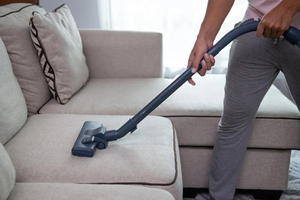
Scheduling professional upholstery cleaning can feel easier when homeowners understand what the service involves.
The process generally begins with an inspection of the furniture. A technician evaluates the material, visible stains, frequently used areas, and any relevant care instructions. This step helps identify cleaning methods that may be appropriate for the specific furniture piece.
After inspection, loose debris may be removed from accessible areas. Crumbs, dust, and other dry particles are easier to manage before deeper cleaning begins.
The technician may then address areas affected by heavy use or visible staining. Armrests, seat cushions, and headrests often require additional attention because they collect body oils and residue through everyday contact.
Next, the upholstery is cleaned using an approach selected for its fabric and condition. Safe-Dry® emphasizes controlled moisture and a fast-drying process designed for real family homes.
The exact cleaning method and results vary based on the furniture. Certain stains may respond well to treatment, while others may remain visible because of age, previous cleaning attempts, or permanent changes to the material.
Following cleaning, the technician can provide guidance about drying time and ongoing maintenance.
Parents can prepare for the appointment by removing toys, pillows, and blankets from the furniture. It is also helpful to clear enough space for the technician to access the seating areas.
If children are home during the appointment, arranging activities in another room can keep them away from cleaning equipment and recently treated surfaces.
Before service begins, communicate any concerns involving fragrance sensitivity, existing fabric damage, or unusual odors. Providing this information helps the technician understand the household's needs and recommend suitable care.
Upholstered furniture and carpeted floors are closely connected in busy family homes. Children frequently move between couches, rugs, and play areas, transferring dirt and debris between different surfaces.
A freshly cleaned couch may look noticeably better, but the surrounding room can still feel less refreshed if the carpet contains accumulated dirt or stains.
For this reason, some families choose to coordinate upholstery cleaning with professional carpet cleaning. Addressing both surfaces can provide a more consistent cleaning routine for the spaces children use most.
Carpet cleaning services can help manage tracked-in soil, food residue, and everyday buildup in carpet fibers. Meanwhile, upholstery cleaning focuses on fabric-covered furniture such as sofas, chairs, and sectionals.
Area rugs also benefit from appropriate maintenance. Families with rugs beneath coffee tables or near play areas may notice crumbs, spills, and soil collecting in these locations.
Professional area rug cleaning may be useful when ordinary vacuuming is no longer enough. Delicate pieces, including heirloom rugs, may require specialized oriental rug cleaning methods that differ from standard carpet care.
Homeowners can review Safe-Dry® cleaning services to learn more about carpet cleaning, upholstery care, and other household cleaning options.
Safe-Dry Carpet Cleaning
For families in Florence, SC, combining appropriate services may offer a convenient way to maintain frequently used rooms. However, each surface should receive a cleaning method suited to its material, and service availability should be confirmed when scheduling.
Finding the right upholstery cleaning service involves more than choosing the lowest advertised price. Families should consider the provider's experience, cleaning methods, communication, and ability to care for different furniture materials.
A good starting point is asking whether the company cleans the type of upholstery in your home. Microfiber couches, fabric dining chairs, recliners, and delicate furniture may require different approaches.
Next, ask about the cleaning products and expected drying time. For parents with young children, understanding when furniture can safely return to normal use is particularly important.
Homeowners should also discuss pricing before scheduling. Upholstery cleaning costs can vary depending on the size of the furniture, its fabric, condition, and any additional treatment required.
When comparing cleaning services, ask what is included in the quoted price. Some furniture pieces may require extra attention because of stubborn stains or pet-related odor concerns.
Families searching for carpet cleaning in Florence, SC, may also want to ask about furniture cleaning options. Choosing a provider that offers both services can simplify household maintenance when multiple surfaces need attention.
Rather than focusing exclusively on cheap carpet cleaning or promotional deals, look for clear explanations of the proposed service and realistic expectations about results.
At Safe-Dry® of Florence, homeowners can explore local cleaning services and request information about options for their household.
Whether the concern is a heavily used family couch, an upholstered chair with food stains, or several furniture pieces that need refreshing, discussing the details beforehand helps establish an appropriate cleaning plan.
Homes with toddlers generally benefit from vacuuming frequently used upholstered furniture about once a week. If children regularly eat snacks on the couch or share furniture with pets, additional vacuuming may be helpful.
Professional upholstery cleaning every six to twelve months can be a reasonable guideline for heavily used furniture, although the ideal schedule depends on the fabric, condition, and manufacturer's care instructions. Fresh spills should always receive prompt attention rather than waiting for a scheduled cleaning day.
Professional upholstery cleaning can be appropriate for family homes when the method and products are suitable for the furniture and used according to their instructions.
Parents should communicate any concerns involving allergies, fragrances, or sensitivities before scheduling. Children should remain away from cleaning products and equipment during service, and furniture should be completely dry before normal use resumes.
Many food stains can be improved through appropriate professional treatment, but complete removal is not always possible. The outcome depends on the substance, fabric type, age of the stain, and previous cleaning attempts.
Stains that have remained untreated for long periods may be more difficult to remove. A professional technician can examine the furniture and explain what results may be realistic.
Begin by checking the manufacturer's cleaning label. Vacuum loose debris using an appropriate attachment and blot fresh spills with a clean white cloth.
If the material permits spot cleaning, use a fabric-compatible product according to its instructions. Always test the product in a hidden area first and avoid excessive moisture. When the fabric requirements are unclear, seek professional advice rather than experimenting.
Appropriate upholstery cleaning may help remove residue associated with milk spills. However, if the liquid has soaked deeply into cushion padding, surface treatment may not completely address the problem.
Persistent sour odors can indicate that contamination remains beneath the fabric. Professional assessment may help determine whether additional cleaning or replacement of affected padding is necessary.
Drying time depends on the upholstery material, cushion thickness, cleaning method, and indoor conditions.
Safe-Dry® uses a low-moisture approach designed to support faster drying. Many suitable pieces may dry in about an hour under favorable conditions, but some fabrics and cushions require longer. Homeowners should follow the technician's guidance and wait until the furniture is completely dry before using it.
A carpet cleaning machine should only be used on upholstery when both the equipment manufacturer and furniture care instructions permit it.
Some furniture materials cannot tolerate water-based cleaning or excessive moisture. Using an unsuitable machine may cause water marks, color changes, or prolonged dampness. When compatibility is uncertain, professional upholstery cleaning is usually the safer option.
Vacuuming and appropriate upholstery cleaning can remove accumulated dust, debris, and some allergen-containing particles from fabric surfaces.
However, cleaning does not guarantee complete allergen removal or prevent allergic reactions. Families managing allergies or asthma should use suitable cleaning practices alongside recommendations from their healthcare professionals.
Regular vacuuming, quick spill response, and encouraging children to wash their hands after meals can help reduce everyday buildup.
Using suitable washable furniture coverings, keeping shoes off couches, and limiting messy activities near upholstered seating can also make maintenance easier. These small habits work best when followed consistently rather than only during major cleaning sessions.
Pet urine odor removal may be possible in some situations, but results depend on how far the liquid has penetrated and whether the affected materials can be cleaned thoroughly.
If urine has reached the interior cushion padding, ordinary surface cleaning may not resolve the odor. A professional evaluation can help determine whether specialized treatment or replacement of contaminated materials is appropriate.
Upholstery cleaning prices vary depending on furniture size, material, condition, and treatment requirements. Cleaning a single chair generally involves different work than cleaning a large sectional.
Homeowners should request a clear estimate and ask whether stain treatment or other services involve additional charges. Comparing service details is more useful than relying only on the lowest advertised price.
Scheduling both services together can be convenient for families who want to refresh their living rooms or other frequently used spaces.
Carpets and upholstery require different cleaning techniques, so the service provider should assess each surface individually. When both services are available, coordinating appointments may simplify household maintenance and reduce the need for separate scheduling.
Life with young children is full of wonderful moments, and a little mess is often part of the experience. From snack-time spills and creative play to cozy evenings spent together on the couch, upholstered furniture becomes part of the memories families make at home.
Keeping that furniture clean does not require constant scrubbing or complicated routines. With regular vacuuming, careful stain treatment, proper drying, and a few practical household habits, parents can manage many common upholstery problems before they become more difficult to address.
Still, everyday maintenance has its limits. Food residue, accumulated body oils, embedded dirt, and lingering odors may eventually require more thorough attention. Professional upholstery cleaning can help refresh frequently used furniture while allowing families to focus on enjoying their homes.
At Safe-Dry® of Florence, we understand that a comfortable living space matters to every member of the family. Our cleaning approach is designed around real homes where children play, pets relax, and furniture gets used every day. We focus on practical cleaning solutions that help homeowners care for their favorite seating without unnecessary complications.
Whether you are dealing with a couch that has collected months of crumbs, chairs that need attention after frequent family gatherings, or upholstery affected by stubborn stains, our team can help you explore suitable cleaning options.
We also provide additional cleaning services for homeowners interested in refreshing carpets, area rugs, and other frequently used household surfaces.
If your furniture could benefit from professional attention, connect with Safe-Dry® Carpet Cleaning of Florence, SC to learn more about available services, request a cleaning estimate, or schedule an appointment.
For families in Florence, SC, 29501, maintaining comfortable furniture should feel manageable, not overwhelming. With the right care, your living room can remain a welcoming place for playtime, quiet afternoons, and all the little moments that make family life special.
Give your favorite furniture the attention it deserves and enjoy a fresher, more comfortable home with Safe-Dry® of Florence.